
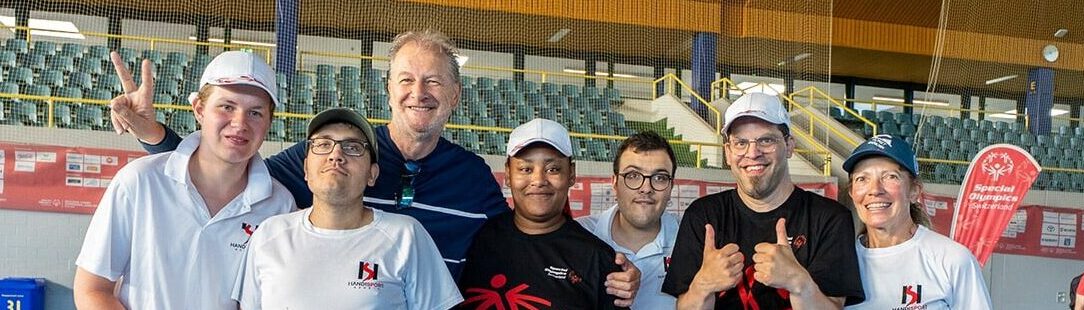
Athletes at the Center – Shape, Decide, Contribute
At Special Olympics Switzerland, athletes are not just part of our movement – they are its heart. We foster their personal strengths, actively involve them in decision-making processes, and give them a platform to raise their voices. Together with partners, we specifically engage them for presentations, media appearances, and public events.
Our Goal: Athletes with intellectual disabilities should be visible, take responsibility, and shape the future of Special Olympics – in Switzerland and beyond.
Why we do this:
Because athletes are more than participants. They are decision-makers, role models, ambassadors, and the face of an inclusive world. At SOSWI, we give them the platform – and the support they need to grow and make an impact.
The Athletes’ Oath
Let me win, but if I cannot win, let me be brave in the attempt.
Athletes’ Commission – the Voice of the Athletes
The Athletes’ Commission (AC) is the official voice of the athletes of Special Olympics Switzerland.
- 7–10 members from all three language regions
- Elected for a four-year term
- Represent SOSWI externally, contribute ideas and concerns
- National Plenary Session once a year
- Regional workshops on topics such as media presence or social media
- Presence at events as direct points of contact for other athletes
Through targeted training, members strengthen their communication and media skills – thus ensuring that the athletes’ perspectives are heard in all areas.
Athlete Ambassadors – Visible in Public
Our Athlete Ambassadors (ATB) represent Special Olympics Switzerland and our partner organizations in public.
They take on roles such as:
- Speeches and presentations at events
- Media interviews
- Appearances at partner meetings
Thus, they become visible representatives of our movement, gain valuable experience, and further develop their skills in communication, self-presentation, and leadership.
Athlete Leadership Program – Taking on Leadership Roles
The international Athlete Leadership Program supports athletes on their path to responsible roles. Through training and practical assignments, they acquire skills, self-confidence, and public speaking confidence.
Examples of roles:
- Youth Leader: Young athletes (14–25 years old) work together with peers without disabilities on projects related to sports and inclusion – and present their ideas at the international Youth Summit.
- Athlete Leader / Health Messenger: Adult athletes who take on leadership roles, such as media spokespersons or Health ambassadors – after completing specific online training.
- Sargent Shriver International Global Ambassador (SSIGA): Ambassadors for the World Games who represent their region internationally – a role for experienced Athlete Leaders with excellent communication skills.